



Table of Contents
Key Takeaways
- Tinnitus is a hearing condition that causes internal sounds like ringing, buzzing, or clicking, often without an external source.
- Car accidents can lead to tinnitus through head trauma, whiplash, airbag deployment, or other injuries to the neck, jaw, or auditory system.
- Tinnitus may develop immediately after an accident or appear days or weeks later, and about 20% of those affected experience it permanently.
- Under Michigan’s no-fault system, personal injury protection (PIP) benefits may cover medical costs related to tinnitus, even if symptoms are delayed.
- In some cases, you may be eligible to file a personal injury lawsuit to recover damages for pain and suffering, lost wages, and ongoing medical care.
- If you are experiencing tinnitus after a crash, Matz Injury Law can help you pursue compensation and protect your rights under Michigan law.

A ringing in your ears after a car crash might seem minor at first, but for many accident victims, it doesn’t go away. That constant ringing, click, or hum could be tinnitus, a serious condition that disrupts sleep, focus, and overall well-being. It may even be a sign of a traumatic brain injury or another underlying problem.
Left untreated, tinnitus can worsen over time and lead to anxiety, depression, or hearing loss. You may find it hard to concentrate at work or enjoy time with your family. And if the ringing started days or weeks after your crash, you might not even realize it’s connected to the accident.
That’s where Matz Injury Law can help. Our car accident attorneys understand how tinnitus affects your daily life and your legal rights. We’ll help you or your loved one pursue a fair settlement for medical care, lost wages, and the pain this condition has caused.
What Is Tinnitus?
Tinnitus is a hearing condition that causes recurring sounds in your ears, often described as ringing, buzzing, clicking, or roaring. These sounds may be faint or intense, low-pitched or high-pitched, and only you can hear them.
Tinnitus typically signals a problem somewhere in the auditory system, such as the inner ear, the nerve connecting the ear to the brain, or the brain’s sound-processing centers.
How Do Doctors Diagnose Tinnitus?
Doctors or audiologists diagnose tinnitus by asking detailed questions about your symptoms and listening to how you describe them. Your answers help identify potential causes and rule out related conditions.
The diagnostic process usually begins with a physical examination of your head, neck, and ears, along with a review of your medical history. Your doctor may then order additional hearing tests, such as exams in a soundproof room or imaging tests like an MRI or CT, to check for underlying issues.
Common Tinnitus Symptoms After a Car Accident

Tinnitus symptoms can vary from person to person, but certain signs are commonly reported after a motor vehicle accident and may indicate damage to the ear, head, or nervous system.
- You may hear phantom sounds such as ringing, buzzing, clicking, hissing, humming, roaring, or pulsating, even when no external sound is present.
- Hearing loss may occur due to trauma to the inner ear or exposure to loud noise, and it can be temporary or permanent.
- Pain or discomfort in the ear can signal physical trauma sustained during the accident.
- Insomnia is common because tinnitus symptoms often intensify at night and make it difficult to sleep.
- Concentration may be affected, as the persistent noise competes with external sounds and mental focus.
- Mood changes, including anxiety, depression, or irritability, can develop or worsen with ongoing tinnitus.
- Cognitive fatigue may lead to foggy thinking, forgetfulness, or slowed mental processing.
- You may experience pulsatile tinnitus, which produces a whooshing or rhythmic sound that aligns with your heartbeat and may indicate vascular or neurological involvement.
How Tinnitus Can Disrupt Your Daily Life After a Car Accident
Tinnitus affects an estimated 50 million Americans. After a car accident, about 20% of individuals who develop tinnitus may experience long-term or permanent symptoms. The condition can range from a minor irritation to a serious disruption in daily life, depending on its severity.
Sleep Disruption
Tinnitus often worsens in quiet environments, making it difficult to fall or stay asleep. The resulting sleep deprivation and fatigue can interfere with recovery and affect physical and mental health.
Impaired Concentration
The internal noise caused by tinnitus can compete with external sounds and thoughts, making it difficult to focus, especially in work or school settings.
Social Withdrawal
Many people with tinnitus avoid conversations or public settings because of the distraction or frustration it causes. This isolation can strain relationships and reduce participation in everyday activities.
Emotional Toll
Chronic tinnitus can lead to anxiety, depression, and irritability. These symptoms may require separate mental health treatment and add to the overall burden of the injury.
How Long Does Ringing in the Ear Last After a Car Accident?
Ringing in the ears is a common symptom after a car accident and may last for a short time or become a long-term problem. For some individuals, tinnitus resolves within days or weeks, particularly when it is caused by minor trauma or temporary changes in ear pressure.
In other cases, tinnitus may persist for months or even become a chronic condition. Research suggests that around 20% of adults who experience tinnitus go on to develop long-lasting symptoms, although the severity can vary widely.
If your symptoms continue beyond a few weeks or disrupt your ability to work, sleep, or enjoy daily life, you may be eligible for compensation. The attorneys at Matz Injury Law can help evaluate your situation and explain whether legal action may be appropriate under Michigan law.
How Car Accidents Cause Tinnitus and Related Ear Injuries
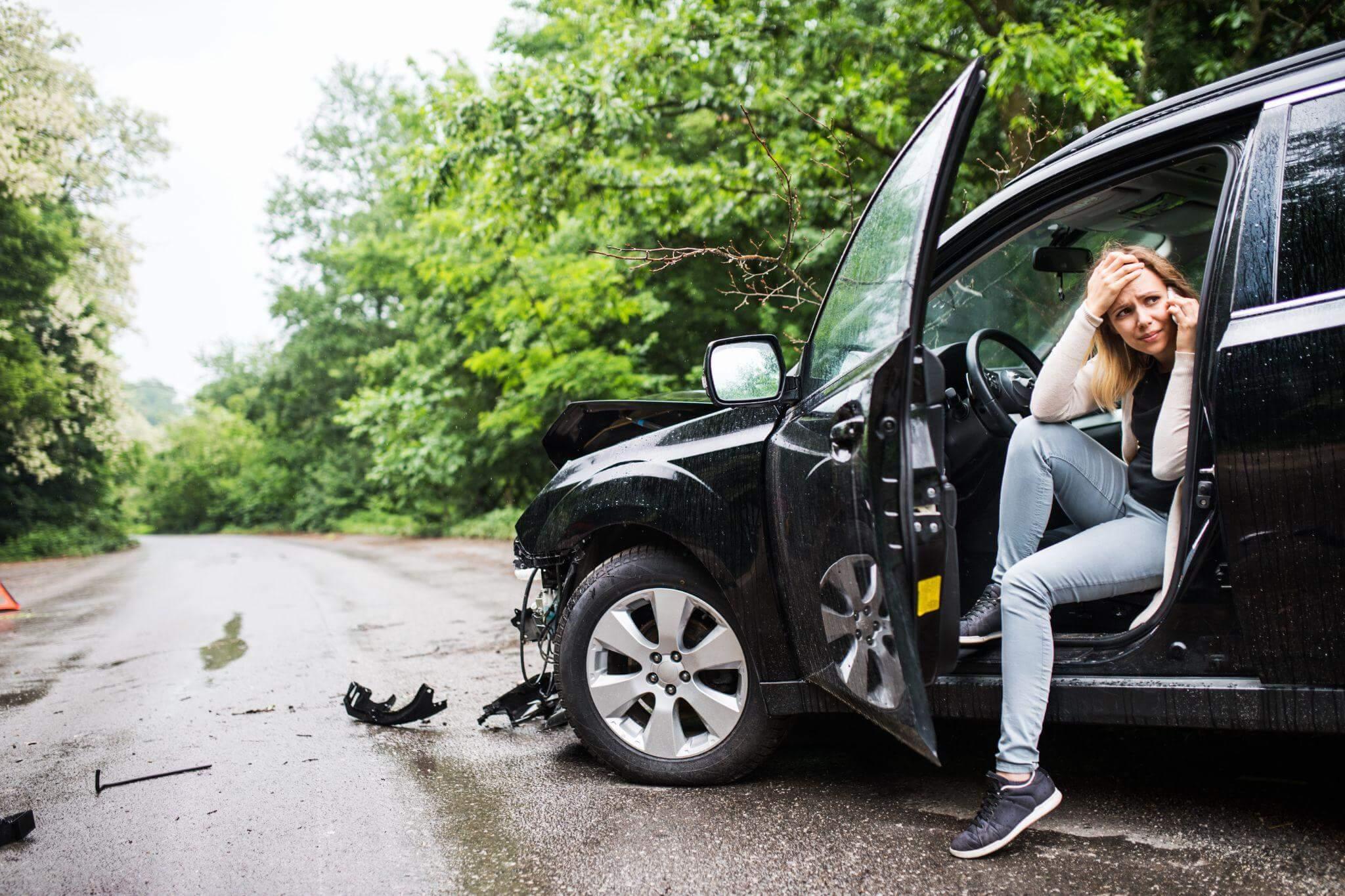
Car accidents can trigger tinnitus in several ways. Loud sounds from the crash, especially from airbag deployment, can cause acoustic trauma. Airbags release with a sound intensity of up to 160 decibels, which far exceeds the 120–140 decibel range typically considered the pain threshold for human hearing. Sudden trauma from a whiplash injury or head impact may also damage the auditory system, including the ear, brain, or nerves that process sound.
The following types of injuries commonly linked to car accidents may be a cause of tinnitus:
- Whiplash: Rapid back-and-forth movement of the neck can strain or damage nerves and soft tissue connected to hearing, potentially resulting in phantom ear sounds.
- Jaw injury (TMJ disorder): Trauma to the face or jaw can cause temporomandibular joint (TMJ) dysfunction, which is located near the ear and may contribute to tinnitus.
- Neck injury: Damage to muscles, ligaments, or nerves in the neck can affect blood flow or nerve signals related to hearing, sometimes triggering more severe or long-lasting tinnitus.
- Traumatic brain injury (TBI): A head injury may disrupt the brain’s ability to process sound or damage the auditory nerve, leading to ringing, buzzing, or clicking sensations.
- Eardrum damage or inner ear trauma: Direct impact, loud pressure changes, or flying debris may rupture the eardrum or injure delicate structures within the inner ear, resulting in tinnitus.
If you notice ringing in your ears or changes in hearing after a collision, it may be connected to one of these accident-related injuries. Seek prompt medical evaluation to document your symptoms and begin appropriate medical treatment.
What to Do After Suffering Tinnitus After a Car Accident
As soon as you begin experiencing tinnitus symptoms, seek medical care. The sooner you receive treatment, the better your chances of managing or reducing the severity of your condition.
Start by seeing your primary care doctor, who can refer you to a specialist such as an otolaryngologist (ENT), audiologist, or neurotologist. These professionals can evaluate your hearing, conduct imaging if needed, and determine the underlying cause of your symptoms.
It is also important to document your symptoms as soon as they appear, even before seeing a doctor. The earlier you record and treat tinnitus, the easier it may be to connect it to your car accident and avoid disputes with the insurance company.
Additional steps include:
- Speaking with a Michigan personal injury attorney who has handled car accident cases involving tinnitus and hearing injuries.
- Asking your attorney to notify the insurance company about your tinnitus diagnosis.
- Avoiding any settlement, release, or waiver offered by the insurer until your attorney has reviewed it. These documents may limit your ability to pursue fair compensation.
If you are dealing with tinnitus after a crash, the team at Matz Injury Law is here to help. We understand how disruptive this condition can be and will work to protect your rights while you focus on recovery.
Why You Should Always Seek Medical Care After a Car Accident in Michigan
Michigan’s no-fault insurance system generally provides personal injury protection (PIP) coverage for reasonable and necessary care from medical professionals following an accident, regardless of who caused the crash. This includes treatment for hearing issues like tinnitus. However, the amount of coverage available depends on the PIP medical benefit limit you selected in your insurance policy, which may range from unlimited to zero dollars.
Some injuries, including tinnitus, may not appear right away due to adrenaline or delayed onset. If you wait too long to seek care, it may be more difficult to prove the accident caused your symptoms.
A doctor can help determine if your tinnitus is connected to trauma from the crash, such as a head injury, inner ear damage, whiplash, or temporomandibular joint (TMJ) dysfunction. All of these may be covered under your auto insurance PIP benefits if diagnosed and treated properly.
Prompt medical attention not only supports your recovery but also helps preserve your right to pursue compensation. If you are unsure whether your tinnitus is linked to the crash or if it qualifies for legal action, Matz Injury Law can review your medical records and advise you about your next steps under Michigan law.
When Should I File a Lawsuit for Tinnitus After a Michigan Car Accident?
Michigan’s no-fault law provides PIP benefits to cover medical costs related to a car accident, including treatment for tinnitus. However, these benefits may be limited by the coverage selected in your auto policy. If your medical bills exceed your PIP coverage or if the insurer denies your personal injury claim, you may have the right to file a lawsuit.
A personal injury lawsuit can help you seek compensation for:
- Unpaid medical expenses not covered by PIP
- Transportation costs for medical visits
- In-home care or assistance
- Lost wages beyond what is covered by your no-fault PIP benefits
- Non-economic damages such as pain and suffering
To recover non-economic damages in Michigan, your injuries must meet the legal threshold of a serious impairment of body function or a permanent serious disfigurement, such as permanent hearing loss. This means you need to show that your condition has significantly affected your ability to lead a normal life.
You must also prove that the other driver was at fault. This usually involves gathering medical records, expert evaluations, and accident-related evidence.
If tinnitus is interfering with your health or daily life and you believe another driver caused the accident, one of Matz Injury Law’s experienced car accident lawyers can review your case and help you pursue the compensation you deserve.
What Damages Can You Collect from a Tinnitus Lawsuit?
If tinnitus from a car accident has disrupted your ability to work, sleep, or function normally, you may be entitled to compensation beyond what your insurance provides. In Michigan, accident victims can pursue both economic and non-economic damages in a personal injury lawsuit.
Economic damages refer to financial losses resulting from the accident, such as:
- Medical bills, including future treatment for tinnitus and related conditions
- Rehabilitation costs, including audiology or sound therapy
- Lost wages, both past and future, if tinnitus interferes with your job or career
A personal injury attorney can help calculate the full value of your economic damages and pursue compensation through settlement or litigation.
Non-economic damages are more difficult to quantify but just as important. These damages may include:
- Pain and suffering related to ongoing physical symptoms
- Emotional distress or mental health struggles such as anxiety or depression
- Reduced quality of life caused by chronic tinnitus or hearing loss
The specific damages available will depend on the severity of your condition, your medical documentation, and how the injury has affected your daily life.
If you are unsure what your claim may be worth, a personal injury lawyer at Matz Injury Law can assess your case and explain which forms of compensation you may be eligible to pursue.
Why Clients Choose Matz Injury Law For Injuries Caused By Car Accidents
If you are dealing with tinnitus, hearing loss, or other complications after an auto accident, you deserve legal guidance from a firm that understands the medical and legal issues involved. Matz Injury Law focuses exclusively on helping car accident victims across Michigan recover fair compensation for serious injuries, including those affecting hearing and quality of life.
Our law firm is dedicated to providing clear answers, responsive service, and experienced representation tailored to your situation.
Client Testimonials
“What a great crew at Matz Injury Law! Steve, Jared, Diane, and Kristina are top notch professionals and awesome individuals as well. Highly recommended!!!!” — Mitchell O.
“Wow! What an amazing attorney, Mr. Steven Matz. His guidance & expertise set my family’s mind at ease & we are all forever grateful for such a wonderful person.Thanks again, Mr Steven Matz~I wish could give him 10 stars!” — Natasha S.
“Steve Matz was there when I needed him. Nobody expects to be a victim of a car accident but when I found myself in that situation it was overwhelming. Steve made everything easy. Steve did not accept the insurance Company’s first offer. He held out and got me a better settlement. Steve is very kind and professional. I highly recommend Matz Injury Law.” — Sharon K.
Frequently Asked Questions
Is It Common to Experience Ear Ringing After a Car Accident?
Yes. Tinnitus is a relatively common symptom following a vehicle collision, especially if the accident involved loud noise, a head injury, or whiplash. Because it can also be a sign of other injuries, you should consult a doctor if symptoms of tinnitus appear.
How Can I Tell If the Car Crash Caused My Tinnitus?
If your symptoms began shortly after the accident and include ringing, headaches, fatigue, or irritability, there may be a direct connection. Medical evaluation and expert documentation can help link your condition to the crash.
Can Tinnitus From a Car Accident Go Away on Its Own?
In some cases, tinnitus symptoms may fade within days or weeks. However, more serious cases, especially those involving head trauma or nerve damage, may require different treatment options. Always seek prompt medical care and track your symptoms.
Experiencing Ringing Ears After a Crash? Talk to Our Car Accident Attorney Today.
Ringing in your ears after a car crash may seem minor, but for many people, it leads to ongoing ear pain, emotional stress, and loss of sleep. Tinnitus can have a lasting impact on your health, career, and quality of life.
If your symptoms began after an accident, you may have a right to compensation for your medical care, lost wages, and suffering. Matz Injury Law is here to help you understand your legal options and fight for what you deserve under Michigan law.
Call 866-22Not33 today to schedule a free consultation, or fill out our contact form to get started.

Written By Steven Matz
Steven J. Matz is the founder of Matz Injury Law, specializing in personal injury litigation with a focus on car accident victims. With over 40 years of legal experience, Mr. Matz has achieved numerous million-dollar settlements. He holds an AV Preeminent rating from Martindale-Hubbell and has been recognized among Michigan’s Top Attorneys. Steven J. Matz is a frequent lecturer on legal ethics and personal injury law, and serves on the Michigan Attorney Discipline Board.


Table of Contents


