



Table of Contents
Key Takeaways
- Michigan does not legally require boat insurance, but marinas or lenders may require it as a condition of use or financing.
- Boat operators must report accidents involving injury, death, or disappearance within 48 hours to the Michigan DNR or the U.S. Coast Guard. If the incident involves only property damage exceeding $2,000 and no injuries or fatalities, the report must be filed within five days.
- The International Regulations for Preventing Collisions at Sea (COLREGS) apply to Michigan waterways and guide right-of-way and navigation rules.
- Right-of-way violations may indicate negligence and contribute to liability in boating accidents.
- Michigan follows the comparative negligence rule, which allows injured parties to recover damages even if they are partially at fault, as long as they are 50% or less responsible.

A relaxing day on Michigan’s waters can quickly become traumatic when another boater acts carelessly. A sudden boating collision may leave you injured, your passengers shaken, and your equipment damaged, all while you’re left wondering what to do next. As medical bills and repair costs add up, the legal process may feel overwhelming. But you don’t have to face it alone.
At Matz Injury Law, we help injured boaters hold negligent parties accountable. From understanding COLREGS and state reporting rules to gathering evidence and filing claims, our team guides you every step of the way.
Understanding Collision Regulations (COLREGS)
The International Regulations for Preventing Collisions at Sea (COLREGS) set the global standard for avoiding vessel collisions. Adopted in 1972, these rules introduced measures such as traffic separation schemes and are divided into sections that address steering and sailing, lighting, sound signals, and more.
COLREGS apply to all navigable waters, including Michigan’s inland lakes and the Great Lakes. Boat operators, owners, and crew are legally required to follow them. If a violation occurs, it may be used to determine fault in a boating accident under Michigan law.
Boating Right‑of‑Way Rules in Michigan
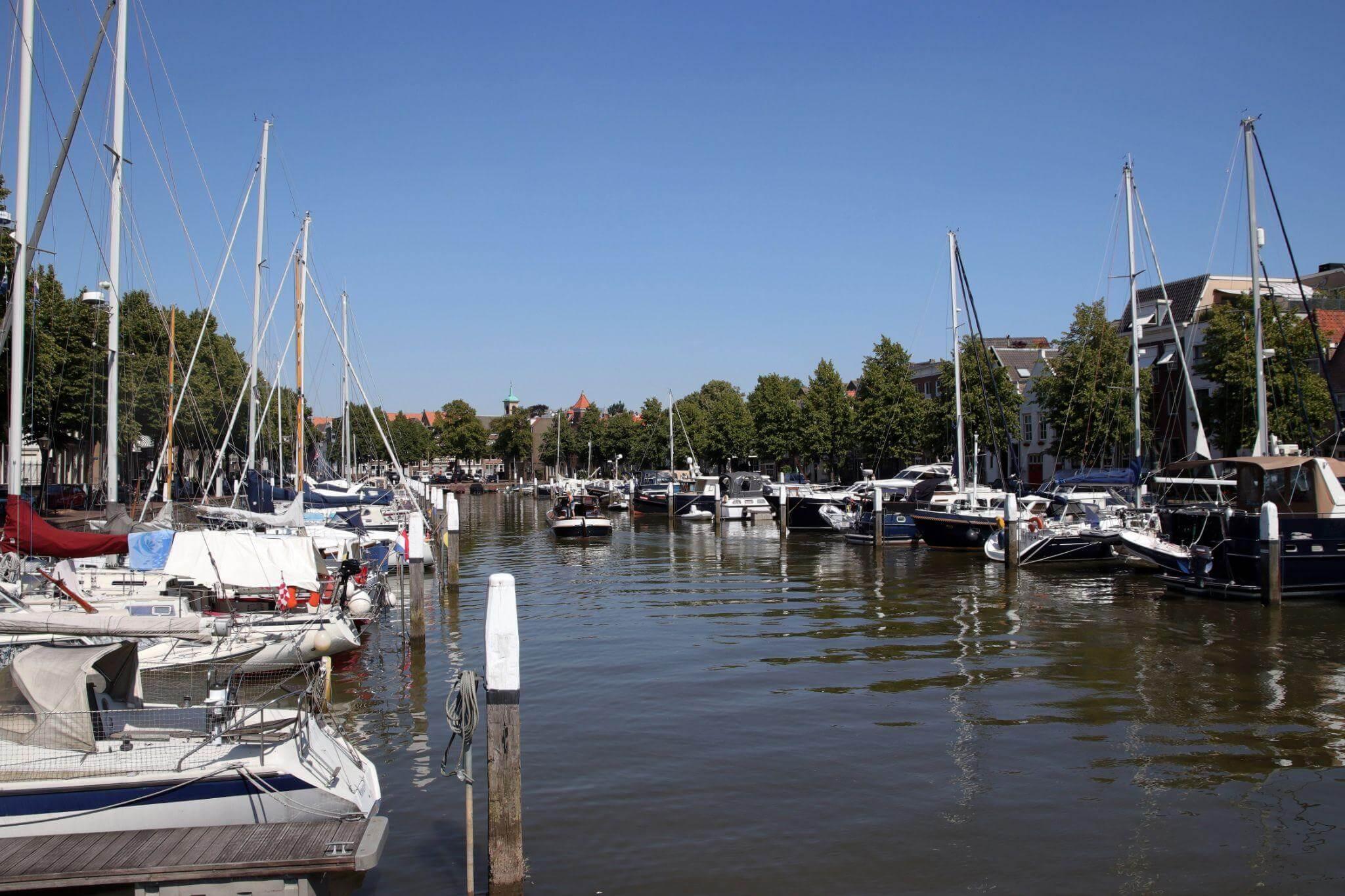
Safe navigation depends on knowing which vessel must yield when paths cross. Under COLREGS, all operators have a duty to keep a proper lookout and take action to avoid collisions, even if they have the right-of-way.
The give-way vessel must make early and clear course or speed changes to avoid the other boat. If it fails to act, this may be considered negligence. The stand-on vessel must maintain its course and speed but must also be prepared to maneuver if the give-way vessel does not respond.
These rules apply in Michigan, where COLREGS standards are often used to establish fault in boating accident claims.
Who Has the Right-of-Way When Two Boats Are on a Collision Course in Michigan?
Understanding right-of-way rules is essential for safe boating on Michigan’s inland lakes and the Great Lakes. These rules, based on COLREGS and enforced under Michigan law, help determine fault after a boating accident.
Power‑Driven vs. Sailing Vessels
Sailboats generally have the right-of-way over powerboats because they have less maneuverability. Power-driven vessels must yield to sailboats under sail alone. When two sailboats meet, the vessel on a starboard tack (wind from the right) has the right-of-way. If both are on the same tack, the windward boat must yield.
Head‑On Situations
When two motorized boats approach head-on, both are give-way vessels. Each must turn to starboard (right) to pass safely on the port (left) side. This rule applies whether you’re on an inland Michigan lake or a busy channel on Lake Michigan.
Crossing Situations
In a crossing scenario, the vessel that sees another on its starboard side is the give-way vessel and must alter course or speed to avoid a collision. The vessel on the port side is the stand-on vessel and should maintain its direction, unless it becomes clear the give-way vessel isn’t yielding.
Overtaking Situations
Any vessel overtaking another must give way, regardless of whether it’s a sailboat or powerboat. Passing should occur on the port side when safe, and the overtaking boat must avoid abrupt or unpredictable movements.
What Causes Most Boat Collisions in Michigan?
Common causes of boating collisions in Michigan include:
- Alcohol or drug use, which remains one of the leading contributors to serious boating accidents and fatalities.
- Vessel operator inattention, such as failing to maintain a proper lookout or being distracted while navigating.
- Lack of experience or training, especially on larger inland lakes or during peak boating season.
- Excessive speed, particularly in congested or no-wake zones, where maneuvering room is limited.
- Mechanical failures, including engine, steering, or throttle malfunctions often caused by poor maintenance.
- Restricted visibility or control caused by environmental conditions such as fog, glare, rough waves, or wind.
- Rule violations, such as ignoring right-of-way laws or making unsafe passes near docks or narrow channels.
Who Is Responsible for Avoiding a Collision Between Boats in Michigan?
Responsibility for avoiding a boat collision is shared, and Michigan law uses COLREGS and negligence standards to assign fault. Each operator has legal duties based on their role during the encounter:
- Give-way vessel: This operator must take early, clear action to avoid the other boat. Altering course or speed in a timely and visible manner is essential.
- Stand-on vessel: While generally expected to hold course and speed, the operator must be ready to act if the give-way vessel does not respond appropriately.
- All operators: Regardless of right-of-way, every boater must maintain a proper lookout, obey navigation rules, and travel at safe speeds for conditions.
Failing to follow these responsibilities can lead to liability in a boating accident claim. If you’ve been involved in a collision, contacting a Michigan boating accident lawyer at Matz Injury Law can help you understand your rights and next steps.
How Is Fault Established After a Boating Accident?
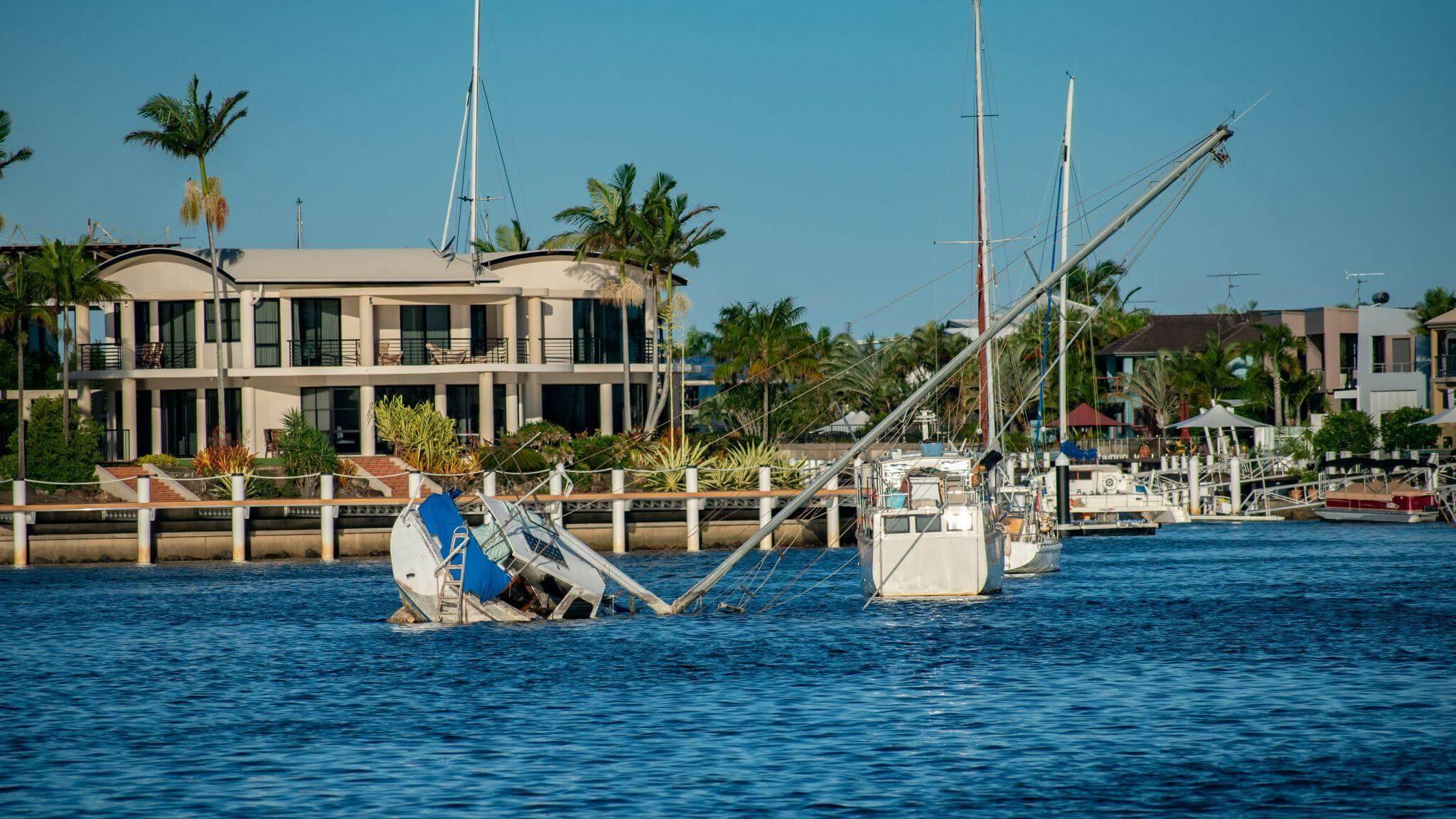
Establishing fault after a boating accident in Michigan involves analyzing operator behavior, environmental factors, and physical evidence under the standards of COLREGS and Michigan boating law. Key sources of evidence include:
- Operator conduct, including speed, distraction, intoxication, and failure to maintain a lookout
- Compliance with right-of-way and navigation rules, particularly whether the give-way vessel acted properly
- Maneuvers, such as signaling and executing timely, visible course changes
- Environmental conditions, like waves, glare, fog, or current
- Impact evidence, such as hull markings or damage showing the angle of collision
- Witness and operator statements about the sequence of events and observed behavior
- Electronic records, including GPS, AIS (Automatic Identification System), or onboard trackers
- Maintenance logs that may indicate mechanical failure contributed to the crash
- Expert analysis, often used to reconstruct events in complex or disputed collisions
Each of these factors may play a role in proving fault and determining liability. If you’re unsure how to preserve or present this type of evidence, Matz Injury Law can help you take the right legal steps.
Factors Determining Fault in a Boating Accident Involving Two Vessels
When two vessels collide in Michigan, fault is determined by examining several contributing factors, including:
- Whether COLREGS were violated, including right-of-way or lookout rules
- Operator behavior, such as speeding, boating while intoxicated, or distracted navigation
- Whether evasive actions were taken and whether they were timely and effective
- Use of signals, including navigation lights and sound signals
- Environmental conditions, such as wind, waves, fog, or glare
- Physical damage and onboard data, which can help reconstruct how the collision occurred
- Statements from operators and witnesses, which provide context and clarity about events leading up to the crash
Each case is fact-specific. To build a strong claim or defense, it’s important to evaluate these elements in detail. A boating accident attorney at Matz Injury Law can help you assess liability and pursue compensation if another party was negligent.
Shared Fault and Comparative Responsibility
Michigan applies a modified comparative negligence rule in boating accident cases. This means an injured person may still recover damages as long as they are not more than 50% at fault. However, their compensation will be reduced based on their share of the blame. For example, someone found to be 30% responsible for a crash would receive 70% of the total damages. In many cases, both boat operators contribute to the accident through speed, inattention, or rule violations. An experienced attorney can help present the facts in a way that protects your right to recovery.
Evidence That Impacts Fault Determination
Several types of evidence can influence how fault is determined in a Michigan boating accident case, such as:
- Photographs and videos of vessel damage, water conditions, and the scene
- Witness statements that confirm details and clarify sequence of events
- GPS or AIS data showing the vessels’ locations and movements
- Toxicology reports, including blood alcohol content (BAC) or drug testing
- Operator certifications or training records, which may support or undermine claims of inexperience
- Maintenance records, which may reveal whether a mechanical issue played a role
- Expert testimony, such as marine collision reconstruction or analysis of boat mechanics
Steps to Take After a Boating Accident Involving Two Vessels
After a boating accident in Michigan, take the following steps to protect your health, legal rights, and potential claim:
- Get to safety and seek medical attention for yourself and others on board.
- Report the incident to the Michigan Department of Natural Resources (DNR) or U.S. Coast Guard within 5 days if there is serious injury or death, or within 10 days for property-only damage.
- Photograph the scene, including vessel damage, injuries, weather conditions, and GPS location if possible.
- Exchange names, contact details, and vessel registration numbers with the other operator, and get statements or contact info from any witnesses.
- Preserve physical and electronic evidence, such as onboard logs, navigation apps, and communication records.
- Do not admit fault or speculate about liability at the scene. Speak with a boating accident attorney before talking to insurance companies.
- Stay at the scene until cleared to leave by the proper authorities.
To protect your rights, consult with Matz Injury Law promptly after a boating collision.
How Can Boat Operators Prevent Collisions Between Two Vessels?
Boaters on Michigan waters can reduce the risk of collisions by taking proactive boating safety steps:
- Maintain a proper lookout at all times to detect potential hazards early.
- Follow COLREGS and Michigan navigation laws, especially right-of-way and speed rules.
- Adjust your speed for weather, visibility, and surrounding boat traffic.
- Make clear, early maneuvers when yielding or changing course.
- Use lights, horns, or radios to communicate your intentions when necessary.
- Avoid boating under the influence of alcohol or drugs, and minimize distractions.
- As a stand-on vessel, stay alert and be ready to act if the give-way vessel does not yield appropriately.
Being a responsible operator protects you, your passengers, and others on the water. If another boater fails to follow these safety rules and causes an accident, Matz Injury Law can help you explore your legal options.
Why Legal Representation Is Important After a Boating Accident in Michigan
Boating accidents often involve a mix of federal regulations (such as COLREGS), Michigan statutes, and DNR reporting rules. Navigating these legal requirements on your own can be difficult, especially when you’re injured or facing costly repairs. An attorney can help determine fault, interpret the applicable laws, and handle communications with insurance companies to protect your rights and avoid damaging your claim.
Working with a boating accident lawyer also means having support for gathering technical evidence, negotiating fair compensation, and meeting critical deadlines. From investigating the cause of the collision to filing legal documents and representing you in court if necessary, Matz Injury Law can guide you through every step of the recovery process while you focus on healing.
How an Experienced Attorney Can Help After Your Boating Accident
After a boating accident, an attorney can support your claim by gathering vital evidence, such as photos, GPS data, and expert analysis, to reconstruct what happened and establish liability. They can also calculate the full extent of your damages, from medical expenses and lost income to emotional distress and lifestyle changes, and help you pursue recovery through personal injury or wrongful death claims under Michigan law.
Matz Injury Law also assists with insurance negotiations, litigation preparation, and meeting strict deadlines like Michigan’s three-year statute of limitations for personal injury claims. Every case is different, and our firm takes the time to provide guidance that fits your situation and goals.
Why Boaters Choose Matz Injury Law
At Matz Injury Law, we focus on helping injured boaters across Michigan recover from serious accidents. Our team understands how COLREGS, state laws, and insurance practices intersect, and we use that knowledge to build strong, evidence-based claims.
We prioritize clear communication, thorough documentation, and responsive legal service, so you can feel confident in your case and focus on healing. Whether you’re dealing with a collision, injury, or liability concerns, Matz Injury Law is here to guide you through the legal process with care and clarity.
Testimonials
“I had an amazing experience working with Steve and his practice. Whenever I needed any help, he was right there to help. He even came to my house to discuss my case with me when I was bedridden! His dedication, professionalism, truly made a difference. One of the best parts is he takes 22% not 33%!! I would highly recommend Matz Injury Law to anyone in need of legal assistance. Thanks again to Steve and his practice you truly made this process simple and stress free for me!” — Grant B.
“Not only was I contacted back right away after requesting some information online, but Mr. Matz assisted me in making some phone calls on my behalf and got results right away. I did not retain him and he still helped me and offered to do even more. Amazing customer service, very friendly, kind, and personable, and FAST results!!!! I know who I will contact if I ever need an attorney again.” — Karina S.
“Skeptical of Lawyers in general, I prayed unto the Lord and asked Jesus if Matz Injury Law was in fact trustworthy. They are. God reassured me that I could put my trust in them and I did. I was not disappointed. Not only are Steve and his staff friendly, they are awesome; knowledgeable and fun to work with. I would recommend them to my friends and family. Thank you again Matz Injury Law.” — Julie K.
Frequently Asked Questions About Boating Collisions
What Does It Mean to Be the Stand‑On Vessel?
In Michigan waters, a stand-on vessel must maintain its course and speed to allow the give-way vessel to safely maneuver around it. However, if the give-way vessel fails to act, the stand-on vessel must take evasive action to prevent a collision.
What Does It Mean to Be the Give‑Way Vessel?
If another powerboat is approaching from your starboard (right) side, you are the give-way vessel and must take appropriate action to avoid a crash. The vessel on the port (left) side is typically the stand-on vessel and should maintain its course unless danger becomes apparent.
What Do You Do When Crossing Paths With Another Power Vessel?
If another power vessel is on your starboard side, you are the give-way vessel. You must act early to avoid a collision by altering your course or speed. The port-side vessel should maintain its course but be ready to take action if needed.
What Should Operators Do When Approaching Head‑On?
When two boats meet head-on in Michigan waters, both are considered give-way vessels. Each should turn to starboard (right) to pass port-to-port and avoid a collision. Use sound signals if needed and keep a safe speed.
Involved in a Boating Collision? Contact Matz Injury Law Today.
If you’ve been injured or involved in a boating accident in Michigan, Matz Injury Law can help. We assist with fault investigations, reporting requirements, insurance negotiations, and legal claims, so you can focus on your recovery.
Call us at 866-22Not33 or reach out through our contact form to schedule a free consultation today.

Written By Steven Matz
Steven J. Matz is the founder of Matz Injury Law, specializing in personal injury litigation with a focus on car accident victims. With over 40 years of legal experience, Mr. Matz has achieved numerous million-dollar settlements. He holds an AV Preeminent rating from Martindale-Hubbell and has been recognized among Michigan’s Top Attorneys. Steven J. Matz is a frequent lecturer on legal ethics and personal injury law, and serves on the Michigan Attorney Discipline Board.


Table of Contents


