



Table of Contents
Key Takeaways
- Dog bite injuries often involve more than surface wounds, with risks of deep tissue damage, infections, scarring, and long-term nerve problems.
- Children are especially vulnerable, facing a higher risk of facial injuries, emotional trauma, and lasting developmental effects.
- Michigan’s strict liability law (MCL 287.351) holds dog owners responsible for bites, even if it is the dog’s first incident, as long as the victim was lawfully present and did not provoke the animal.
- Compensation can cover medical bills, lost wages, pain and suffering, scarring, emotional distress, and reduced quality of life.
- Matz Injury Law helps victims gather evidence, challenge insurance company tactics, and pursue maximum recovery — all while charging only a 22% contingency fee, compared to the one-third charged by many other firms.

Being bitten or attacked by a dog is both frightening and painful. Beyond the physical wounds, victims may endure long-term fear and anxiety. Without prompt treatment, these injuries can become infected, cause permanent disfigurement, or lead to serious conditions such as sepsis or rabies. Families often face mounting medical bills, time away from work, and emotional trauma.
At Matz Injury Law, we recognize the serious impact of dog bite injuries. Our attorneys work to protect victims’ rights and hold dog owners accountable. With our firm’s 22% contingency fee, you keep more of your recovery while we pursue the compensation you deserve.
How Serious Are Dog Bite Injuries?
Dog bites can cause far more damage than they first appear to. A single bite may result in deep puncture wounds, torn muscles, or broken bones. Because dogs’ jaws are strong, they can crush soft tissue and damage tendons, joints, and nerves. Dog bite wounds to the face, neck, and hands are especially severe injuries and may require multiple surgeries, including reconstructive procedures or skin grafts.
Infections are another serious risk. Bacteria such as Pasteurella can cause cellulitis, abscesses, or bone and joint infections. Without prompt treatment, infections may spread to the bloodstream and cause sepsis. Victims may also face risks of tetanus or rabies if vaccination is not up to date.
Possible complications include:
- Permanent nerve damage
- Disfigurement or scarring requiring surgical treatment
- Post-traumatic stress disorder (PTSD) and anxiety, particularly in child victims
Because of these risks, victims should seek emergency care right away and continue follow-up with a medical professional.
The “Iceberg Effect” and Hidden Dangers Beneath the Surface
Dog bites may appear minor on the surface but can cause hidden damage beneath the skin. Even a small puncture can involve:
- Deep tissue injury
- Bacteria trapped beneath the wound
- Spaces where infection can spread
This “iceberg effect” is why medical evaluation is important, even when a wound looks small. A doctor can identify hidden risks and prevent serious complications.
What Are the Most Common Injuries Sustained from a Dog Attack?
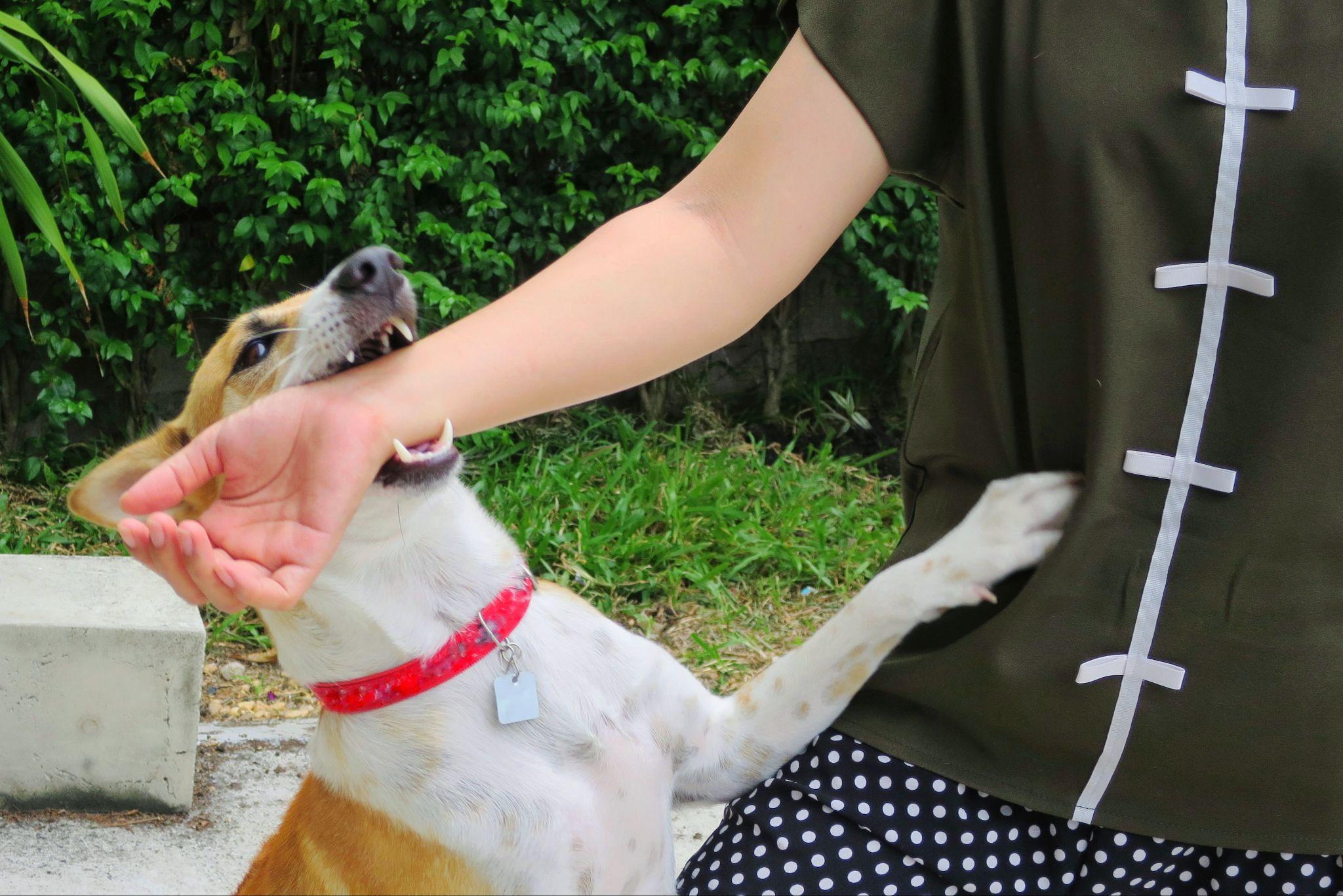
Dog bites can cause injuries ranging from minor wounds to severe trauma that requires hospitalization. Common injuries include:
- Lacerations: Deep cuts that may damage blood vessels, muscles, or skin and require stitches or surgical repair.
- Puncture wounds: Small but deep wounds that trap bacteria and often lead to infection.
- Crushing injuries: Strong jaws can break bones or damage soft tissue, leaving lasting harm.
- Infections: Bacteria such as Pasteurella, Staphylococcus, and Streptococcus may cause cellulitis, abscesses, or sepsis.
- Nerve damage: Bites to the hands, arms, or face can cause numbness, tingling, or paralysis.
- Scarring and disfigurement: Visible scars may require reconstructive surgery and can affect both appearance and confidence.
- Bone and joint injuries: Some bites fracture bones or damage joints, leading to arthritis or reduced mobility.
- Eye and facial injuries: Bites near the eyes or orbital bones often require specialized surgical care.
- Tetanus and rabies risks: Victims may need preventive shots if vaccination history is uncertain.
- Multiple injuries: Mauling incidents can cause extensive wounds across the body, requiring surgeries, hospitalization, and long-term therapy.
Children Face the Highest Risk of Dog Bite Injuries
Children account for a high incidence of dog bite injuries, and in Michigan they face the greatest risk of serious harm.
- Nearly half of fatalities from dog attacks involve children.
- Children from 5 to 9 years old are often cited as being at higher risk of serious dog bite injuries.
- Among children under 10, many reported bites involve the face — a particularly vulnerable area due to their height and proximity to dogs.
Most of these incidents occur at home or at a family member’s house, often involving dogs the child already knows.
Long-Term Physical and Psychological Effects of Dog Bite Attacks
Dog bite injuries often have consequences that last long after the initial wounds heal. Victims may face permanent physical changes, emotional distress, and ongoing medical needs. Children are especially vulnerable, as both physical and psychological effects can interfere with development.
Long-Term Physical Effects
Dog bites can leave lasting harm, including:
- Permanent scars or disfigurement
- Nerve damage that reduces strength, sensation, or mobility
- Chronic pain from soft tissue or joint damage
- Loss of function if tendons or muscles were torn
- The need for reconstructive surgery or skin grafts
Nerve Damage
Bites to the hands, arms, or face often damage nerves, leading to numbness, tingling, or weakness. Severe dog bite cases may involve partial paralysis and require surgical repair or therapy. Some injuries heal, but others can cause lifelong disability.
Scarring and Disfigurement
Facial and visible scars can affect both physical function and self-esteem. Different types of scars may form, including:
- Keloid scars: Thick, raised scars that grow beyond the wound area
- Contracture scars: Tightened skin that limits mobility
- Hypertrophic scars: Raised scars limited to the wound site
- Atrophic scars: Sunken scars from tissue loss
Psychological Effects
The emotional impact of a dog attack can be as significant as the physical injuries. Victims may experience:
- Anxiety, especially around dogs
- Depression and loss of confidence
- PTSD with nightmares, flashbacks, or panic attacks
- Avoidance behaviors that interfere with daily life
Impact on Children
Children are at heightened risk of long-term psychological effects, including:
- Separation anxiety
- Nightmares or insomnia
- Difficulties in school due to fear or stress
- Problems forming friendships or engaging in play
These long-term effects show why victims need immediate medical care and ongoing support for recovery.
Common Causes of Dog Attacks
Dog attacks often stem from a dog’s instincts or environment. According to the Centers for Disease Control and Prevention (CDC), typical triggers include:
- Fear: Dogs may bite when they feel cornered or threatened.
- Possessiveness: Guarding food, toys, or property can lead to aggression.
- Pain: Injured or sick dogs may lash out when touched.
- Overexcitement: Rough or playful behavior can result in accidental bites.
- Provocation: Teasing, startling, or pulling at a dog can trigger a defensive reaction.
- Protective behavior: Dogs sometimes bite to defend their family or territory.
- Predatory instinct: Chasing moving objects, animals, or people can escalate to biting.
While certain dog breeds appear more often in severe attack statistics, any dog may bite if provoked or placed in a stressful situation.
Because causes can be disputed, liability issues often arise in these cases. Matz Injury Law helps victims build strong claims by gathering medical records, witness accounts, and animal control reports to demonstrate what truly happened and pursue compensation.
Warning Signs of Aggressive Dogs
Dogs often show warning behaviors before attacking, such as:
- Intense staring or rigid posture
- Growling, snarling, or baring teeth
- Raised hackles or stiff tail
- Snapping, lunging, or attempting to bite
- Guarding food, toys, or territory
- Fearful behavior paired with defensive growling or biting
- Subtle cues like yawning, lip licking, freezing, or showing the whites of the eyes
Recognizing these signs can help people avoid escalating the situation and reduce the risk of an attack.
What to Do After a Dog Attack
Taking the right steps immediately after a dog bite can reduce health risks and strengthen a potential legal claim.
- Get to safety: Move away from the dog without chasing or striking it. Ensure children and others nearby are safe.
- Control bleeding: Apply firm pressure with a clean cloth and elevate the injury. Call 911 if bleeding does not stop quickly.
- Clean the wound: Wash gently with soap and warm water for several minutes.
- Protect and manage pain: Cover with a sterile bandage, apply ice for swelling, and use over-the-counter pain relievers if needed.
- Seek medical care: Emergency treatment may include a tetanus shot, rabies vaccination, or antibiotics to prevent infection.
- Report the attack: Notify animal control or local authorities with details about the dog, its owner, and any witnesses.
- Document everything: Take photos of injuries and torn clothing, keep medical bills, and gather witness and owner contact information.
After medical needs are addressed, speaking with a lawyer is important. Insurance companies often minimize claims or dispute liability. Matz Injury Law helps Michigan dog bite victims by handling insurance negotiations, collecting evidence, and pursuing compensation for medical bills, lost wages, pain and suffering, and more.
Common Treatments for Dog Bite Injuries
Medical treatment for dog bite injuries focuses on preventing the risk of infection, promoting healing, and preserving function. After initial cleaning, a doctor will assess the wound for damage to muscles, nerves, joints, or bones.
Treatment may include:
- Debridement: Removing damaged or dead tissue to reduce infection risk.
- Antibiotics: Prescribed to treat or prevent bacterial infections.
- Tetanus or rabies shots: Given when vaccination history is outdated or uncertain.
- Pain management and wound care: Bandaging, ice, and medications to ease discomfort.
- Follow-up care: Monitoring for infection or complications.
- Reconstructive surgery or skin grafts: Needed in severe cases involving scarring or tissue loss.
Timely medical attention is critical to reduce long-term complications and document the extent of injury — records that also support a potential legal claim.
Understanding Michigan Dog Bite Laws
Michigan’s strict liability statute, MCL 287.351, holds pet owners responsible when their dog bites someone — even if it is the first time. Unlike states that follow a “one bite rule,” Michigan law does not require proof that the dog had shown aggression before. If the victim was lawfully present and did not provoke the dog, the owner is liable for damages.
Negligence vs. Strict Liability
Michigan’s law is based on strict liability rather than negligence. To hold an owner liable, a victim must show that:
- A dog bite occurred.
- The victim was lawfully on the property (in a public place or with permission).
- The victim did not provoke the dog.
Negligence is not required in these cases. However, negligence claims may still apply in situations where the statute does not cover the injury — for example, if someone is knocked down or injured by a dog without being bitten.
Who May Be Held Liable for a Dog Bite Attack in Michigan
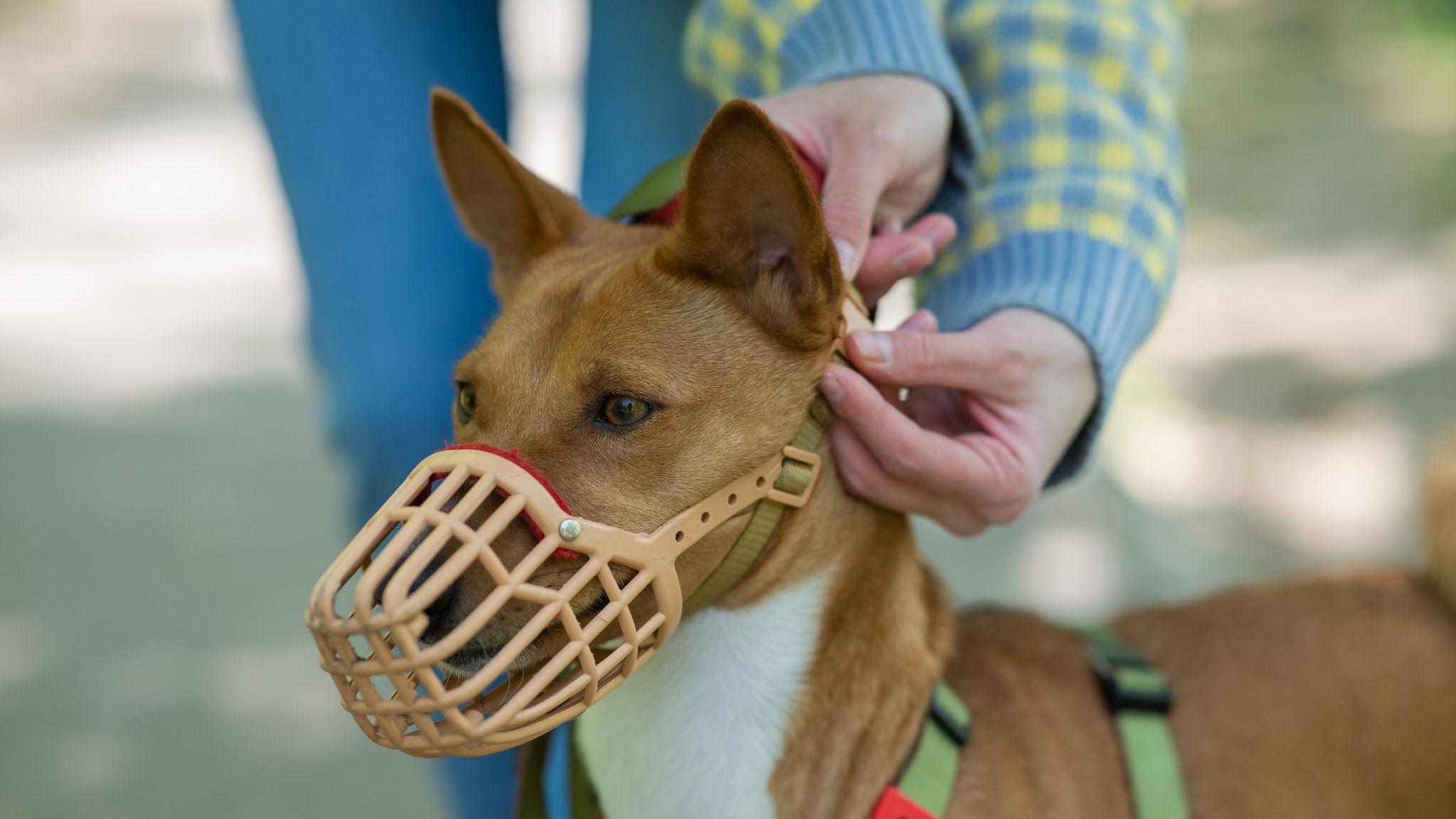
Under Michigan law, the dog’s owner is the primary party responsible when a bite occurs. In limited situations, other parties may also be held accountable under negligence law, such as:
- Landlords or property managers who were aware of a dangerous dog on their property and failed to act (rare and fact-specific).
- Dog sitters, walkers, or caregivers who had control of the dog at the time and acted negligently.
Because Michigan’s statute applies only to owners, pursuing claims against other parties generally requires proving negligence.
Exceptions to Michigan’s Strict Liability Laws
Although Michigan law strongly favors victims, dog owners may raise certain defenses:
- Provocation: If the victim teased, startled, or struck the dog, the owner may argue that the bite was provoked, which is a complete defense under Michigan’s dog bite statute. In such cases, recovery under the strict liability law may be barred altogether.
- Trespassing: Strict liability does not apply if the victim was unlawfully on private property. In those cases, only a negligence claim may be possible.
- Non-bite injuries: Injuries caused by a dog without a bite (such as being knocked down or chased) are not covered by the statute. Victims must prove negligence to recover damages.
Because these defenses can complicate a case, victims benefit from experienced legal support. Matz Injury Law gathers medical records, witness statements, and animal control reports to counter these defenses and build a strong claim for compensation.
Do You Have to File a Lawsuit After a Dog Bite in Michigan?
Not all dog bite cases require a lawsuit. Many claims are resolved through the dog owner’s homeowners or renters’ insurance, which may cover medical bills, lost wages, and other damages.
A lawsuit may be necessary when:
- The insurance company denies the claim or disputes liability.
- The settlement offered is too low to cover medical treatment or long-term needs.
- The dog owner has no insurance, requiring direct legal action.
Michigan law gives victims three years from the date of injury (DOI) to file a personal injury lawsuit. Missing this deadline can prevent recovery, no matter how severe the dog-bite-related injuries are.
Matz Injury Law helps victims evaluate whether an insurance settlement is fair or if filing a lawsuit is necessary. Our attorneys manage deadlines, protect your rights, and pursue the full compensation you may be entitled to.
Proving Negligence in Dog Attack Cases
Michigan’s strict liability law applies only to animal bite injuries. For other situations, such as being knocked down, chased, or otherwise injured by a dog, a negligence claim may be required.
Useful evidence in these cases includes:
- Medical records that confirm the nature and extent of injuries.
- Animal control or police reports documenting the incident.
- Photographs of wounds, torn clothing, and the scene.
- Witness statements supporting how the attack occurred.
- Proof of lawful presence and no provocation to counter defenses.
Matz Injury Law uses this type of evidence to build strong negligence claims, especially in cases where strict liability does not apply.
What if the Dog Owner Does Not Have Insurance?
When a dog owner lacks homeowners or renters insurance, victims may need to file a lawsuit directly against the owner. Collecting compensation can be more challenging if the owner has few assets.
Other possible options include:
- Filing a lawsuit against the dog owner
- Submitting a claim through your own insurance policy
- Pursuing claims against other potentially liable parties, such as landlords or caretakers
Matz Injury Law helps victims explore these options, evaluate the best path for recovery, and pursue compensation even when insurance coverage is not available.
Compensation Available for Dog Bite Injuries in Michigan
Victims of dog bite injuries in Michigan may recover compensation for:
- Medical expenses, including emergency care, hospitalization, surgery, reconstructive procedures, rehabilitation, and counseling.
- Lost wages, including income during recovery, reduced future earning capacity, and lost employment benefits.
- Pain and suffering, including physical pain, emotional distress, anxiety, depression, and PTSD.
- Scarring and disfigurement, including corrective surgery and the emotional impact of visible scars.
- Loss of enjoyment of life, including reduced ability to participate in hobbies, activities, and relationships.
Matz Injury Law helps clients pursue the full range of damages available under Michigan law.
The Role of Insurance Companies in Dog Bite Injury Claims
Most Michigan dog bite claims are handled through the dog owner’s homeowners or renters insurance, which commonly provides six-figure liability coverage, though limits and exclusions vary by policy.
After a claim is filed, insurers investigate by reviewing medical records, examining animal control or police reports, interviewing witnesses, and checking for provocation or trespassing.
Insurance companies often try to reduce payouts by:
- Arguing the victim provoked the dog
- Downplaying the severity of injuries
- Offering quick but low settlements
If no insurance applies, or if coverage is denied, victims may need to pursue compensation directly from the dog owner.
Matz Injury Law negotiates with insurers, challenges unfair tactics, and pursues additional legal action if necessary.
How a Dog Bite Lawyer Can Help You Recover Compensation for Your Injuries
A lawyer plays an important role in dog bite cases by:
- Explaining your rights under Michigan’s strict liability law
- Gathering evidence such as medical records, witness statements, and reports
- Negotiating with insurance companies for fair settlements
- Filing lawsuits when insurers deny or undervalue claims
- Exploring recovery options if the dog owner lacks insurance
Matz Injury Law handles these steps so victims can focus on recovery while we pursue full compensation.
Why Clients Choose Matz Injury Law
Clients turn to Matz Injury Law because we combine decades of experience with a strong commitment to client service. Our attorneys provide clear communication, personalized attention, and determined advocacy from the beginning of a case through its resolution. We focus on both protecting legal rights and easing the stress that often follows a serious dog bite injury.
Our Contingency Fee Advantage
One of the biggest differences between Matz Injury Law and many other personal injury firms is our contingency fee. While many personal injury firms in Michigan charge a standard 33% contingency fee, our firm’s fee is just 22%! — allowing you to retain more of your recovery without sacrificing quality legal representation. By reducing fees, we allow clients to recover the resources they need for medical treatment, lost wages, and future care while still holding dog owners accountable for the harm their pets have caused.
Testimonials
“This team was highly professional but also caring and compassionate. Every call, text and email was answered quickly and they all showed genuine concern and friendliness toward my family and I.” — Racheal M.
“Steve was communicative, clear, highly competent, efficient and friendly. I have not pursued anything like this before and felt that I was in good hands. I was satisfied with the settlement – and would highly recommend Matz Injury Law to those who are looking for this type of service.” — Jennifer B.
“Jared Matz very professional made this process very easy we trusted him and he delivered, very easy to communicate with him and he made sure that we understand everything he went over every little detail and keeps you updated every step of the way. Thank you so much for getting the settlement as fast you did” — Doha A.
Need Help After a Dog Attack? Schedule a Free Consultation with Our Dog Bite Attorney Today.
Dog bite injuries can create lasting physical, emotional, and financial hardships. Michigan law allows victims to pursue compensation, but achieving fair results often requires strong evidence, thorough documentation, and experienced legal guidance.
If you or a loved one has been bitten or attacked by a dog, Matz Injury Law is here to help. We will handle the legal process, negotiate with insurers, and protect your rights so you can focus on recovery. Call us at 866-226-6833 or complete our online contact form today to schedule a free consultation and learn more about your options.

Written By Steven Matz
Steven J. Matz is the founder of Matz Injury Law, specializing in personal injury litigation with a focus on car accident victims. With over 40 years of legal experience, Mr. Matz has achieved numerous million-dollar settlements. He holds an AV Preeminent rating from Martindale-Hubbell and has been recognized among Michigan’s Top Attorneys. Steven J. Matz is a frequent lecturer on legal ethics and personal injury law, and serves on the Michigan Attorney Discipline Board.


Table of Contents


